Best AI for Fitness Tracking: Fitbit vs Garmin vs WHOOP
Which AI is best for fitness tracking?
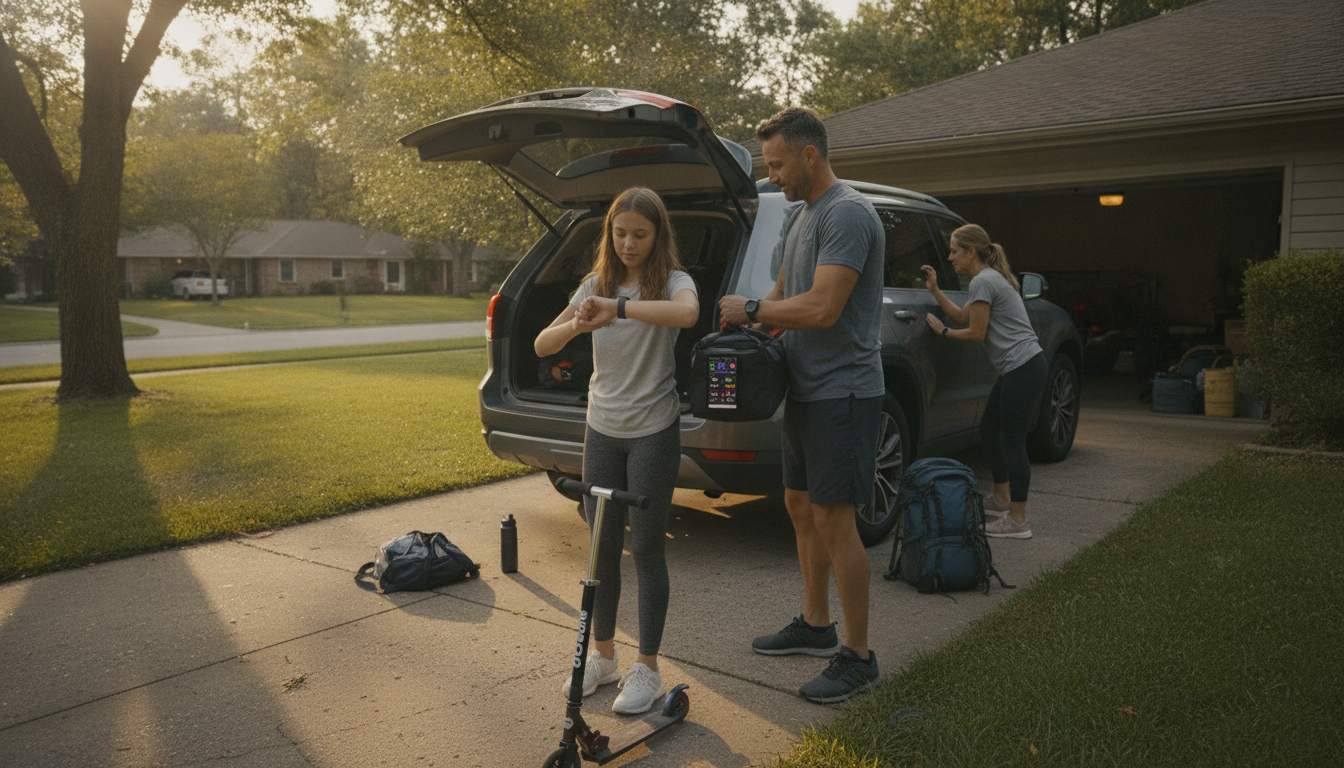
The “best” AI for fitness tracking depends on what you want it to optimize: training performance, recovery, weight management, or everyday activity. The most useful systems aren’t just counting steps—they combine heart rate trends, sleep stages, HRV (heart rate variability), workout load, and consistency to deliver clear, personalized guidance you can actually follow.
Best overall AI experience for most people
If you want simple, actionable insights with minimal setup, Fitbit’s ecosystem is often the easiest to live with. Its readiness-style scoring, sleep insights, and trend-based coaching are designed for everyday users who want clarity rather than complex sports analytics.
Best AI for serious training and performance metrics
For structured training, Garmin’s training features (built on advanced physiology modeling) are a standout. The AI-driven analysis of training load, recovery time, and workout suggestions tends to be more detailed—especially for runners, cyclists, and endurance athletes who care about pacing, aerobic/anaerobic balance, and long-term progress.
Best AI for recovery-first coaching
If recovery is the priority, WHOOP is widely known for turning sleep, strain, and HRV into daily coaching. It’s particularly helpful for people who train hard, travel frequently, or want guidance on when to push versus when to back off.
Best AI for a flexible, app-driven setup
If you already use an iPhone, Apple Watch can become a strong “AI fitness” setup when paired with smart coaching apps that analyze trends across workouts, sleep, and recovery. The advantage is flexibility: you can tailor the experience to your sport and preferences instead of relying on one brand’s coaching style.
For a deeper breakdown of the top options by goal and device type, visit https://devicesworld.shop/which-ai-is-best-for-fitness-tracking/.
FAQ
Does AI fitness tracking work without a smartwatch?
Yes—many apps can estimate activity and trends using phone sensors, but the AI becomes far more accurate with continuous heart rate, sleep, and HRV data from a wearable. For recovery and readiness insights, a watch, band, or ring typically makes the biggest difference.

Leave a comment