Ultra Fast Charging Wattage: 50W, 65W, 100W+ Explained
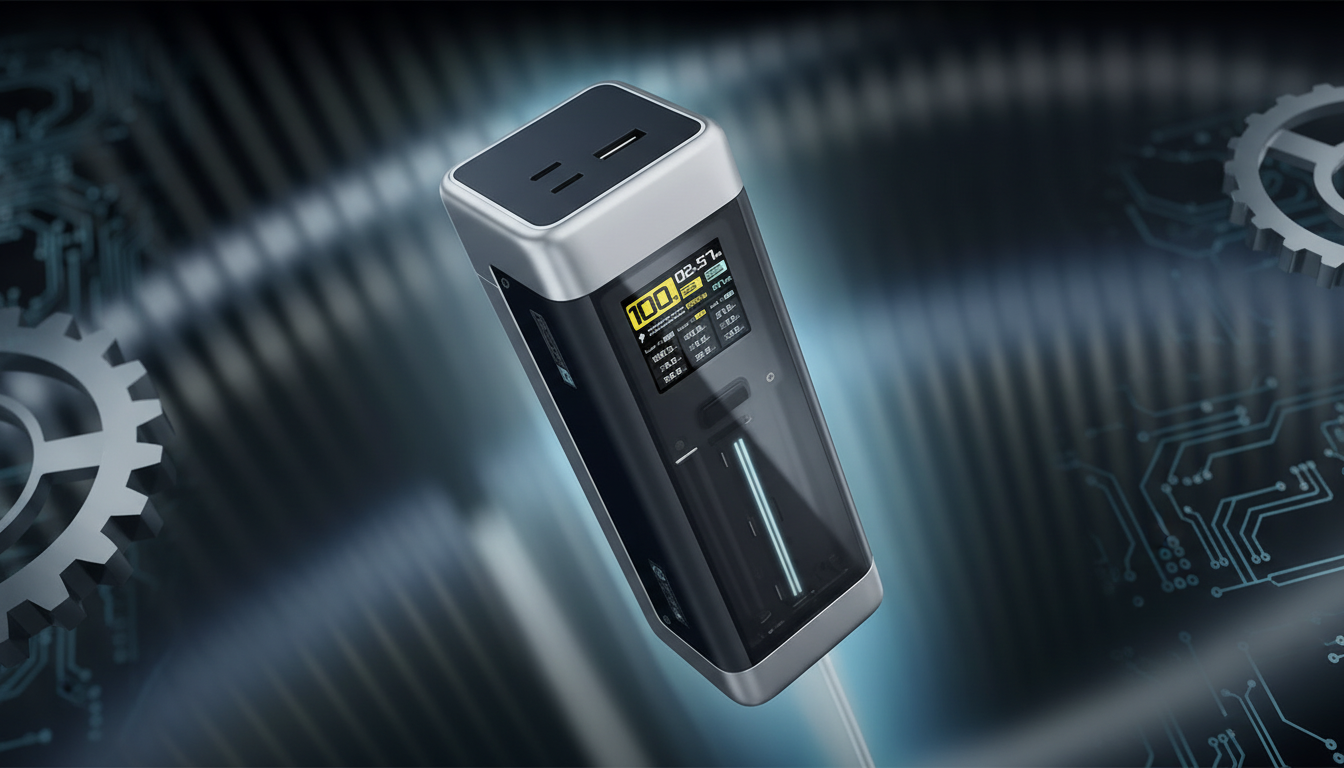
How much W is ultra fast charging?
“Ultra fast charging” usually refers to charging power that’s noticeably above standard phone charging and can rapidly top up a battery in a short time. In practical terms, it commonly starts around 50W and up for smartphones, with many brands labeling 65W, 80W, 100W, and even 120W+ as ultra fast. That said, there’s no single universal wattage line because manufacturers use the term differently and because real-world charging power changes as the battery fills.
What wattage counts as ultra fast for phones?
For many modern smartphones, 18W–25W is considered “fast charging,” while 45W–65W often lands in the “super fast” zone. Ultra fast charging is frequently used for 65W and higher, especially when it can take a phone from near-empty to around 50% in roughly 10–20 minutes under ideal conditions. Some devices advertise 100W–240W, but the actual delivered power depends on temperature, battery state, and the phone’s charging curve.
Why “ultra fast” isn’t a constant number
Charging isn’t a steady stream of maximum watts from 0% to 100%. Phones typically charge fastest at lower battery levels, then slow down to protect battery health and manage heat. So a charger rated for 100W doesn’t mean your phone pulls 100W the whole time—or even at all—unless the phone supports that level and the right cable and protocol are used.
What else you need besides a high-watt charger
To actually get ultra fast speeds, the phone and charger must match on a charging standard (such as USB-C Power Delivery, PPS, or a brand-specific protocol). You’ll also need a compatible cable rated for the wattage. Heat matters too: if the phone gets warm, it may throttle charging power even if everything else is “ultra fast” on paper.
For a deeper breakdown of wattage ranges and what they mean in real use, see the full guide here: https://devicesworld.shop/how-much-w-is-ultra-fast-charging/.
FAQ
Does a higher-watt charger harm my phone?
Not if the charger is reputable and the phone supports modern charging negotiation. The phone will only draw the power it’s designed to accept, and it will reduce power if heat or battery conditions require it.





Leave a comment